

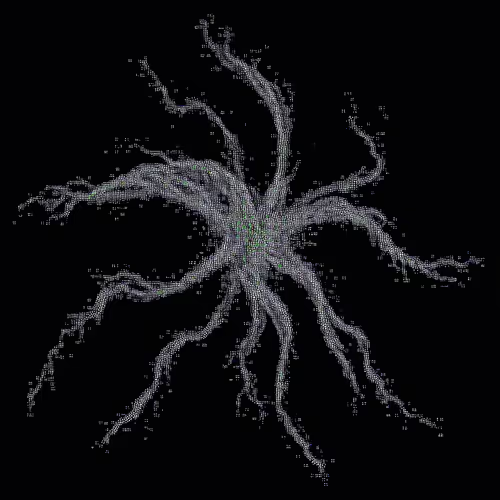
Vitastem-hematopoietic Stem Cell Rejuvenation
Unlocking longevity through in-situ Hematopoietic Stem Cell Rejuvenation using combined modulation of aging-disrupted pathways identified by publicly available and proprietary single-cell datasets from young and old human populations. Stem-cell exhaustion is a key hallmark of aging, contributing to impaired tissue repair, immune dysfunction, and systemic frailty. In this project, we took a novel approach to this challenge—rather than replacing aged blood-forming stem cells (HSCs) through transplantation, the project seeks to rejuvenate the body’s own stem cells in situ. We have analysed nearly 850,000 single-cell transcriptomes from healthy donors aged 23 to 91 from publically available and proprietary datasets, generating a high-resolution atlas of hematopoietic aging. The data reveal consistent age-related molecular signatures: younger HSCs show elevated expression of DNA repair and mitochondrial genes, while older cells exhibit ferroptosis drivers, inflammatory signaling (notably TNF and IL-17), and upregulation of CCR9 and long non-coding RNAs. These findings were confirmed in both circulating and bone marrow-derived HSCs, reinforcing their potential as biomarkers and intervention targets. In conclusion, we have identified a list of target genes, which can be used as a intervention for hematopoietic stem cell rejuvenation studies. The key insight is that we are targeting multiple aging mechanisms simultaneously - transcriptional stress responses, epigenetic regulation, and protein homeostasis. Classic damage repair thinking applied to the molecular level. This multi-pronged approach could achieve the robust rejuvenation that single interventions miss.
Description
Unlocking longevity through in-situ Hematopoietic Stem Cell Rejuvenation using combined modulation of aging-disrupted pathways identified by publicly available and proprietary single-cell datasets from young and old human populations.
Stem-cell exhaustion is a key hallmark of aging, contributing to impaired tissue repair, immune dysfunction, and systemic frailty. In this project, we took a novel approach to this challenge—rather than replacing aged blood-forming stem cells (HSCs) through transplantation, the project seeks to rejuvenate the body’s own stem cells in situ. We have analysed nearly 850,000 single-cell transcriptomes from healthy donors aged 23 to 91 from publically available and proprietary datasets, generating a high-resolution atlas of hematopoietic aging. The data reveal consistent age-related molecular signatures: younger HSCs show elevated expression of DNA repair and mitochondrial genes, while older cells exhibit ferroptosis drivers, inflammatory signaling (notably TNF and IL-17), and upregulation of CCR9 and long non-coding RNAs. These findings were confirmed in both circulating and bone marrow-derived HSCs, reinforcing their potential as biomarkers and intervention targets. In conclusion, we have identified a list of target genes, which can be used as a intervention for hematopoietic stem cell rejuvenation studies. The key insight is that we are targeting multiple aging mechanisms simultaneously - transcriptional stress responses, epigenetic regulation, and protein homeostasis. Classic damage repair thinking applied to the molecular level. This multi-pronged approach could achieve the robust rejuvenation that single interventions miss.
Team
Owner
Owner
Owner
Owner
Owner
Owner
Contributor
Project Score
Powered by MIRAUpdated Oct 28, 2026
Technology Readiness Level
Technology Readiness Level
PRE-TRL
TRL 1
Project Progress
All updates
All categories
Timeline
Loading...